
Raised Beds
Building Raised Beds for Small Urban Spaces
Frame dimensions, wood selection, soil layering, and drainage — a grounded look at what actually works in a Canadian backyard or shared courtyard.
Straightforward notes on urban vegetable and herb growing across Canada — from first frost dates and soil layering to compact container setups that work on a balcony or in a shared courtyard.
A 4×8-foot cedar frame filled with a 60/30/10 mix of topsoil, compost, and perlite can yield more per square foot than a conventional in-ground plot — because you control every variable from drainage to pH. In Canadian urban settings, where soil is often compacted clay or contaminated fill, raised beds are frequently the only practical path to edible gardening.
Read the full guide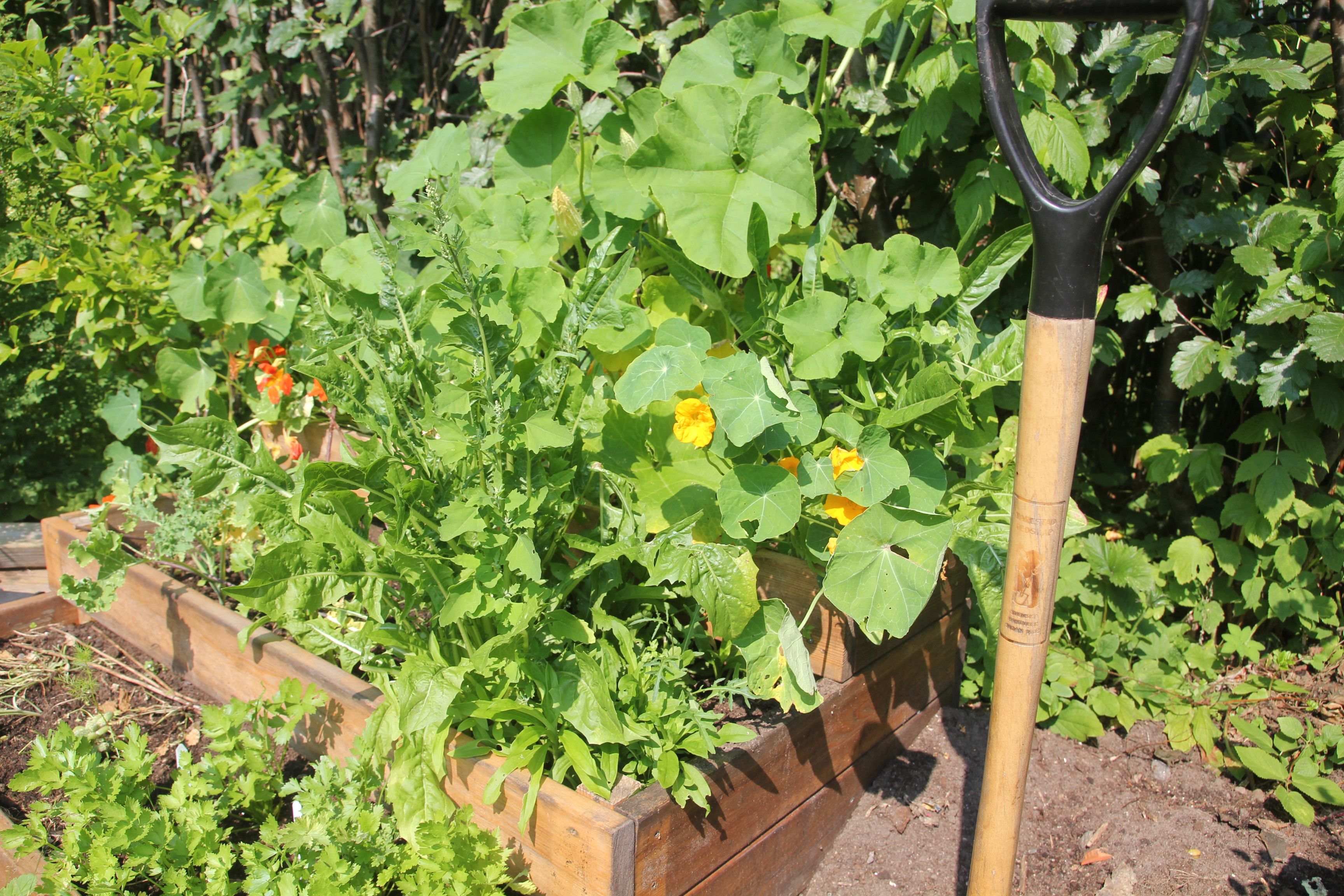
Raised Beds
Frame dimensions, wood selection, soil layering, and drainage — a grounded look at what actually works in a Canadian backyard or shared courtyard.

Herb Gardening
Which herbs survive a Canadian winter indoors, how to pot them for maximum yield, and the soil mixes that prevent the most common container problems.

Planting Schedule
Zone-by-zone timing for starting seeds indoors, transplanting, and harvesting — from British Columbia's Zone 8 coast to Ontario's Zone 5 and 6 cities.
Urban soils are rarely ready for food crops. Layering compost, aged manure, and perlite into raised frames or containers builds a growing medium that drains well, holds nutrients, and can be refreshed each season without starting over.
Fabric grow bags, cedar window boxes, and reused food-grade buckets each have different drainage and thermal properties. Matching the container to the plant — deep-rooted crops need 30 cm+ depth — determines how much of the season's potential is actually realized.
Canada's hardiness zones span from Zone 0 in the far north to Zone 9 on Vancouver Island. The last spring frost and first fall frost dates define the entire planting calendar — knowing yours to within a two-week window changes which crops are viable.
Raised beds and containers dry out faster than in-ground plots — especially on rooftops and concrete patios where reflected heat increases evaporation. Self-watering reservoirs and drip emitters reduce the daily attention required without sacrificing plant health.
Sowing a short row of lettuce every 10 days rather than a full flat at once spreads the harvest across eight weeks instead of two. The same logic applies to radishes, spinach, and cilantro — crops that bolt quickly in summer heat.
Basil next to tomatoes, marigolds at bed edges, and nasturtiums trailing off container edges are not just aesthetic choices. These pairings affect pollinator activity, aphid pressure, and in some cases soil chemistry in ways that are measurable by the end of a season.
Most culinary herbs are perennials in their native climate — Mediterranean rosemary, Thai basil, and lemon thyme don't stop growing just because snow lands on the windowsill. With the right light source, container size, and watering rhythm, a south-facing window in a Toronto apartment can support four or five productive herb plants from October through April.
Container herb guide
National planting guides often average across zones in ways that don't reflect local microclimates. A Montreal balcony facing south with brick walls retaining heat behaves differently than a backyard plot three kilometres away. The seasonal schedule on this site is broken into specific Canadian cities and their nearest hardiness zone equivalents.
View planting schedule
Notes and questions from readers shape the articles on this site. If you're working through a specific problem — soil pH, container sizing, pest identification — use the contact form on the About page.
Get in touch